Why Elite Engineers Ignore Cold Recruiter Outreach
Engineers triage recruiter messages in seconds, and these signals earn a reply.

Elite engineers ignore cold recruiter outreach because so many poor messages have taught them that filtering takes less time than looking into each one. Those signals earn attention in a way that message volume cannot.
Usually only a small share of them are worth a reply, and the ones that are can be spotted in seconds. A message earns attention when it names a real salary range, shows it understands the actual work (not just a skill or a GitHub link), and comes with some evidence about the engineering environment, or when it arrives through a referral from someone the engineer respects. Engineers who are not looking to move are better served by being findable in technical communities and public writing than by working through cold outreach, and anything with a vague "comp discussed later" or generic praise can be archived without much loss.
Why elite engineers stopped reading recruiter messages
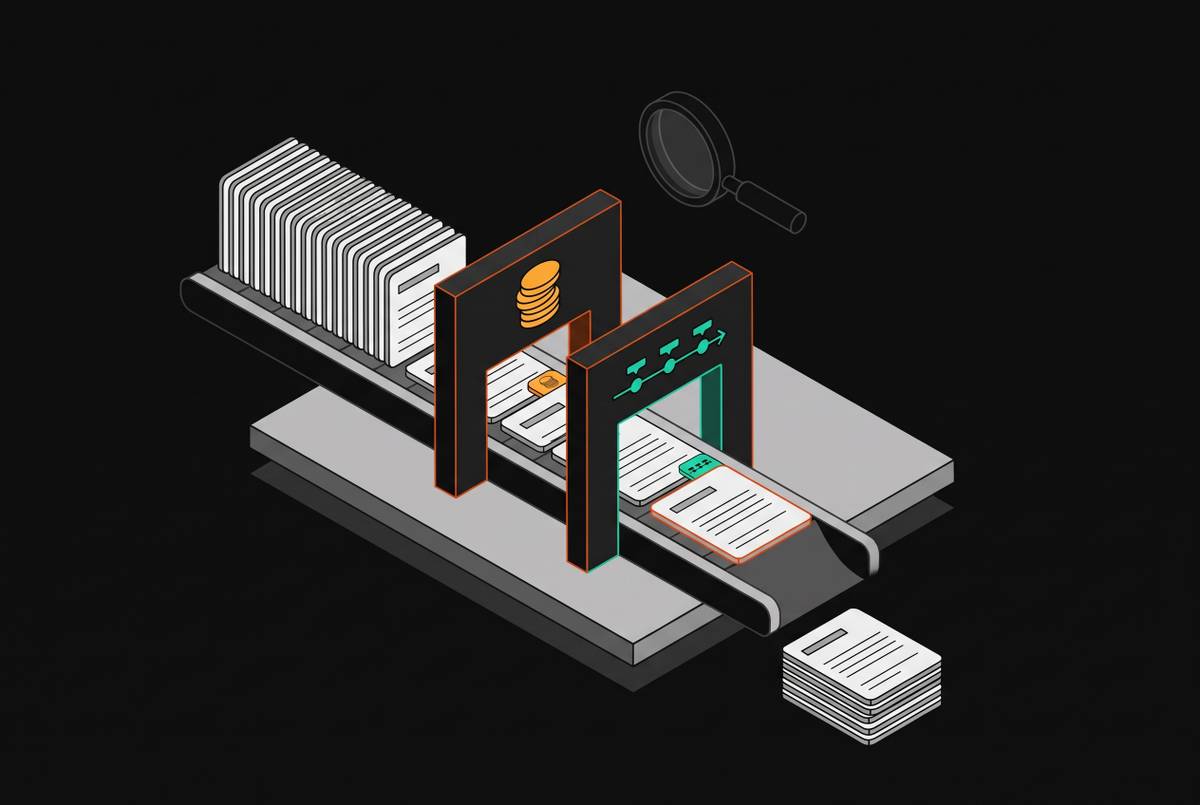
The recruiter sees a dismal response rate and blames the candidate. The engineer sees another week of identical messages and makes a sensible decision. The average senior software engineer in a major tech hub gets 10–15 recruiter messages per week, so giving each one a close look takes a lot of time. A message that looks like the others gets archived before it gets a full reading. What looks like ghosting from one side is triage from the other.
That habit has had time to take hold. Engineering candidates’ outbound response rates began a sustained decline in 2022, so this is not a brief spell of inbox fatigue. Engineers have learned which message patterns usually lead nowhere and shortened the time they spend recognizing them. Their response is better understood as signal-processing than as rudeness, because the channel repeatedly rewards fast rejection.
The economics that produced the flood
The flood starts with a shortage and cheap tools. Experienced software engineer supply consistently falls short of demand at most price points, giving recruiters a strong reason to contact more people. Modern sourcing platforms then use public profiles to build lists of candidates with almost no limit on their size. The cost of finding one more candidate is approximately zero, so widening the search is easier than making each message more useful.
Every recruiter has a reason to contact one more candidate who might fit, while the engineer gets all the messages those choices produce. The sender’s cheap extra contact becomes the recipient’s extra interruption. An individual recruiter cannot solve that imbalance by asking everyone else to exercise restraint. Sending more costs so little that asking recruiters to behave better leaves the reasons for doing it in place.
What engineers are actually filtering on — the pattern-match in detail
The first trigger is praise without evidence. “Impressive background in X” looks specific until X turns out to be a skill the engineer has not used in two years. The message has extracted a detail without understanding its relevance. That tells the recipient that the same structure could have gone to hundreds of other people, with only the skill changed. There is little reason to spend attention on an approach that shows no comparable investment.
The next trigger is missing compensation information. “Comp discussed later” asks the engineer to accept an unknown price for further conversation. That can mean multiple messages, a call, and often half a day of interviews before discovering whether the role is even in range. Experienced engineers already know what market rates look like. For them, an undisclosed band is not an intriguing mystery but a familiar losing bet.
Engineers research the company before responding, and a careers page full of stock photos and aspirational values gives them little to assess. They check employee reviews first, looking for patterns in the pros and cons. Next come an engineering blog or real technical content, team and culture signals, and the compensation range. The job description barely gets skimmed because the other evidence tells engineers more about whether to look into the role.
An engineer who just started a role or is in a critical launch may have no interest in moving, however closely their skills match the vacancy. LinkedIn profiles show none of that immediate context. Contacting everyone who looks roughly qualified therefore guarantees that most messages arrive at the wrong moment. A relevant skill set is not the same thing as current receptivity.
Outreach that leads with what the company wants, without showing any understanding of what the engineer wants, frames the recipient as a lead. Senior engineers often stay silent when approached that way. None of these tests requires a long investigation. At this volume, even a couple of minutes per message becomes significant overhead, so the initial filter has to run in seconds.
Why AI and ML engineers filter hardest
Senior AI and ML engineers face an intensified version of the same problem. Few engineers have shipped LLM features, built real ML systems, or deployed agents, so the pool of people with that production experience is small. Their outreach volume dwarfs what a general software engineer receives. That makes ignoring generic messages a practical time-management strategy.
An ML engineer working on production ML systems, including training, serving, and MLOps, is not interchangeable with an AI engineer building on LLMs and foundation models. People in these roles have different skills and come from different talent pools. A recruiter who collapses them into one category reveals a calibration failure before any discussion of the company begins. The engineer does not need a call to discover that the sender has misunderstood the work.
AI forward deployed engineers add another layer of specialization. They close customer deployments and build agent workflows while debugging systems whose internals are opaque and whose outputs drift between provider updates. The failure can resemble a junior employee having a bad day. A recruiter who cannot describe that work has already failed to show these engineers the understanding they need. Because these engineers have more reason to expect misunderstanding, vague outreach gets filtered even faster.
The death of the three-step sequence and why fixing execution doesn't fix the channel
Better execution has a fair case to make. Structured, personalized sequences with multiple touchpoints spread over several weeks can produce materially higher response rates than a single generic message. That distinction gives some cold approaches a fair claim to consideration. The strongest objection to the filtering argument is therefore straightforward. Perhaps the channel still works, and recruiters simply need to use it better.
Researching context and building a useful sequence run against the near-zero-cost logic that made mass outreach attractive. Recruiters achieving better results through that work are operating outside the incentives that produced the flood. Their success shows that exceptions exist, but it does not show that the default economics have changed.
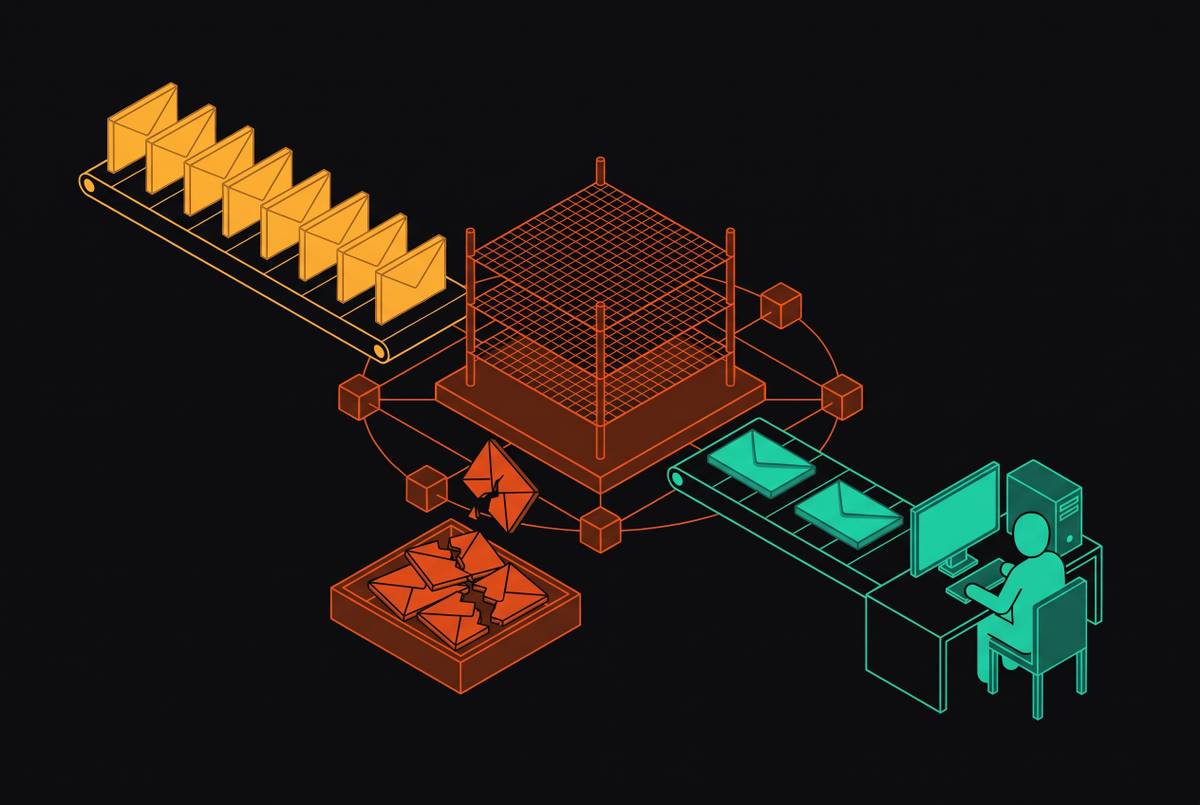
Content is also only part of the problem. Email providers throttle messages that show patterns of mass distribution, so even a well-written approach may not reach the top of the inbox. A standard three-step sequence therefore has no automatic claim on attention simply because its messages arrive in an orderly progression.
Meanwhile, automation is weakening the old signs of effort. AI-generated messages that reference a GitHub project or a conference talk are becoming common enough that engineers are starting to discount those references too. Personalization still helps when it shows that the sender understands the engineer’s work beyond a detail they looked up. But the gap is widening between generic volume that pulls average results down and rare messages that establish a real connection.
What actually reaches engineers who have learned to filter everything else out
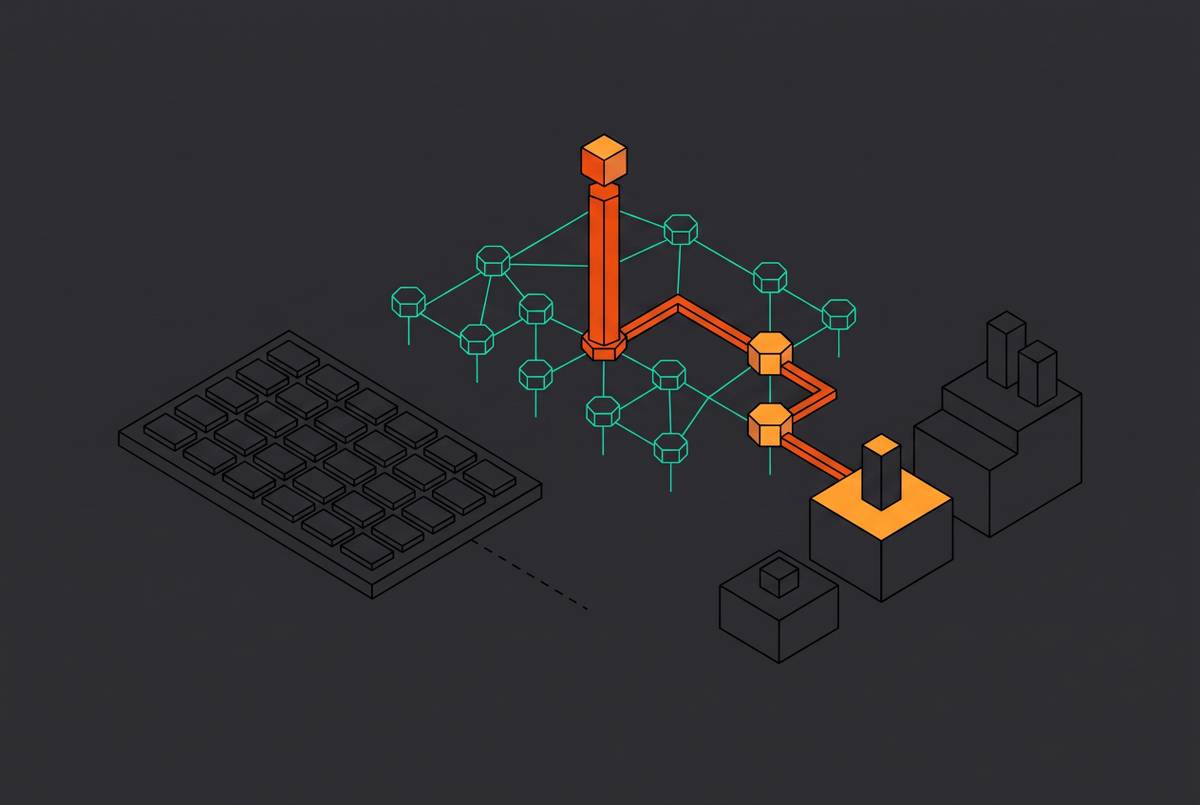
Former colleagues already know something about how an engineer works, and their recommendations bring social proof that a stranger cannot manufacture with a template. Technical communities on GitHub, Discord, open-source repositories, and conference circuits let engineers get to know one another before anyone brings up a job opening. A referral from someone the recipient respects therefore begins with a different basis for trust. It is not merely cold outreach with a friendlier greeting.
Genuine technical specificity can also break the pattern. “I noticed your GitHub project” names an artifact but says nothing about whether the sender understood it. A message that describes a specific architectural decision and connects it to a real technical problem at the company does more. The connection is the evidence of research. That depth is not the same as automated name-checking at scale, because the useful part is the judgment about why the work fits.
A real, narrow salary range in the first message lets both sides see whether the pay fits without first having to go back and forth to get that basic information. A range so wide that it says almost nothing does not serve that purpose. The useful band signals respect for the engineer’s time while filtering in both directions. It gives the recipient a concrete basis for deciding whether the conversation is worth continuing.
Culture evidence works when it can be inspected quickly. Actual engineering posts, technical content, and employee review profiles give engineers more to go on than a careers page. Architecture decisions, outage postmortems, and tool choices show how the work lines up with the values statement. Engineers already look for this material, so providing it meets an existing test.
Invite-only roundtables and professional dinners respond directly to inbox saturation by bringing people together before asking for anything. Invitation-style matching makes a related change to the hiring process. It leads with why this particular engineer fits rather than presenting a job description and asking for an application. Engineers with the most options are more responsive to being found and referred than to being sent another application task.
Precision sourcing turns that distinction into an operating method. It builds targeted pipelines of pre-qualified candidates. The best AI and ML engineers rarely appear in inbound applicant pools, so finding them requires channels that emphasize technical depth. Precision sourcing establishes enough fit before contact that the invitation can explain why the engineer belongs in the conversation.
Is it worth replying to recruiter messages if you're a high-demand engineer?
For an engineer, these signals offer a sharper vocabulary for an existing habit. Specificity, compensation transparency, genuine culture evidence, and role clarity distinguish a plausible opportunity from an interruption. They avoid the false choice between ignoring everything and investigating every message. The role still needs to be legible in terms of the work, the pay, and the engineering environment.
Missing information is itself useful, though it is not proof of a single explanation. An absent compensation band can suggest that the recruiter does not understand the market or that the pay is below range. Either possibility gives the engineer a reason not to invest blindly. By contrast, genuine role-specific understanding is among the strongest quality signals a cold message can offer. In AI and ML hiring, it directly addresses the gap between a recruiter’s description and the actual job.
Engineers who are genuinely open to moving are better served by being findable in technical communities, open-source contributions, and public writing than by spending that time processing cold outreach. In those settings, the recruiter has to get to know the engineer through a shared technical context. The filter is a useful feature. The channels worth attention are the ones where evidence and relationships give it less noise to reject.